History
The 101 Forward Control
The Land Rover 101 Forward Control was built at Solihull between 1972 and 1978. Around 2,668 were made, mostly for the British armed forces. Surviving vehicles are now owned by civilian enthusiasts.
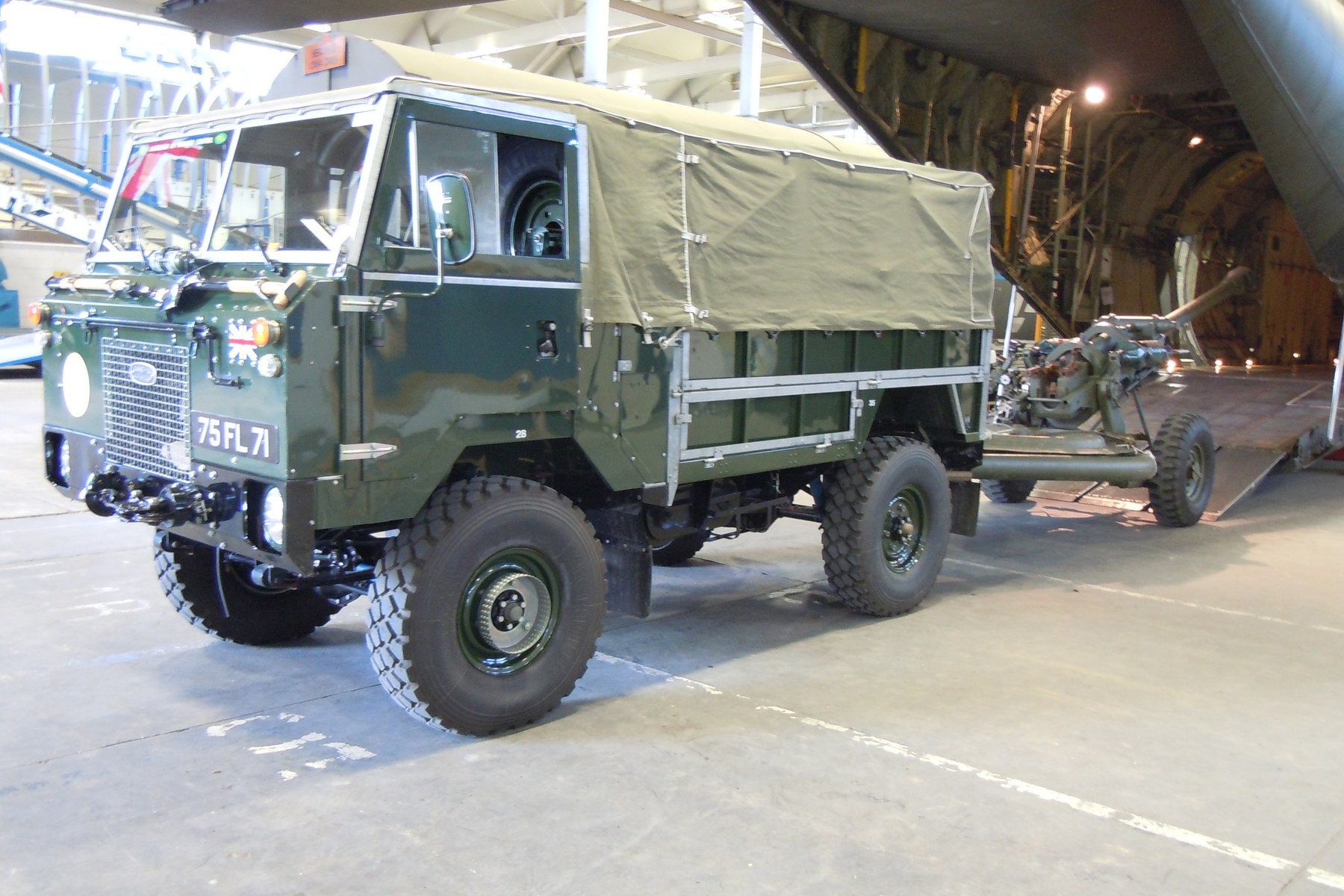
Development of the 101 began in 1967, with a design team led by Land Rover engineer Norman Busby. The British Army needed a gun tractor able to tow the L118 Light Gun with a ton of ammunition and equipment aboard, which earned the vehicle its other name, the Land Rover One Tonne.
The 3.5 litre Rover V8 sits beneath and behind the cab rather than in front of it, so there is no bonnet. That made the vehicle almost a box shape, deliberately, so it would pack efficiently into transport aircraft. The name comes from its 101-inch wheelbase and its forward-control layout, with the driver sitting above and slightly ahead of the front wheels. The wheels carry a flanged step around the centre so the crew can climb in.
Club history
The 101 Forward Control Club and Register was founded in 1988 by Peter Wardley, who still holds membership number 1, and exists to help owners maintain, preserve, use and enjoy the 101-inch Forward Control Land Rover. We are a non-profit historic vehicle preservation society with members worldwide, run entirely by volunteers, and although not a registered charity we work toward charitable objectives — keeping this part of our vehicle heritage alive and on the road.
Because the 101 carries so many unique parts, often difficult or expensive to find, the club runs a volunteer-operated mail order shop supplying spares to members, alongside a regular members' newsletter. We attend shows and events across the UK so the public can discover the vehicle for themselves, and our honorary members include Alma Busby — known to members as 'Mrs 101' — widow of Norman Busby, the Land Rover project engineer behind the vehicle.